

 Popular Categories
Flexible Payments
Buy Now. Pay Later. 0% Interest


Buy Now. Pay Later. 0% Interest

On orders over $125
Holster Shopping Made Easy
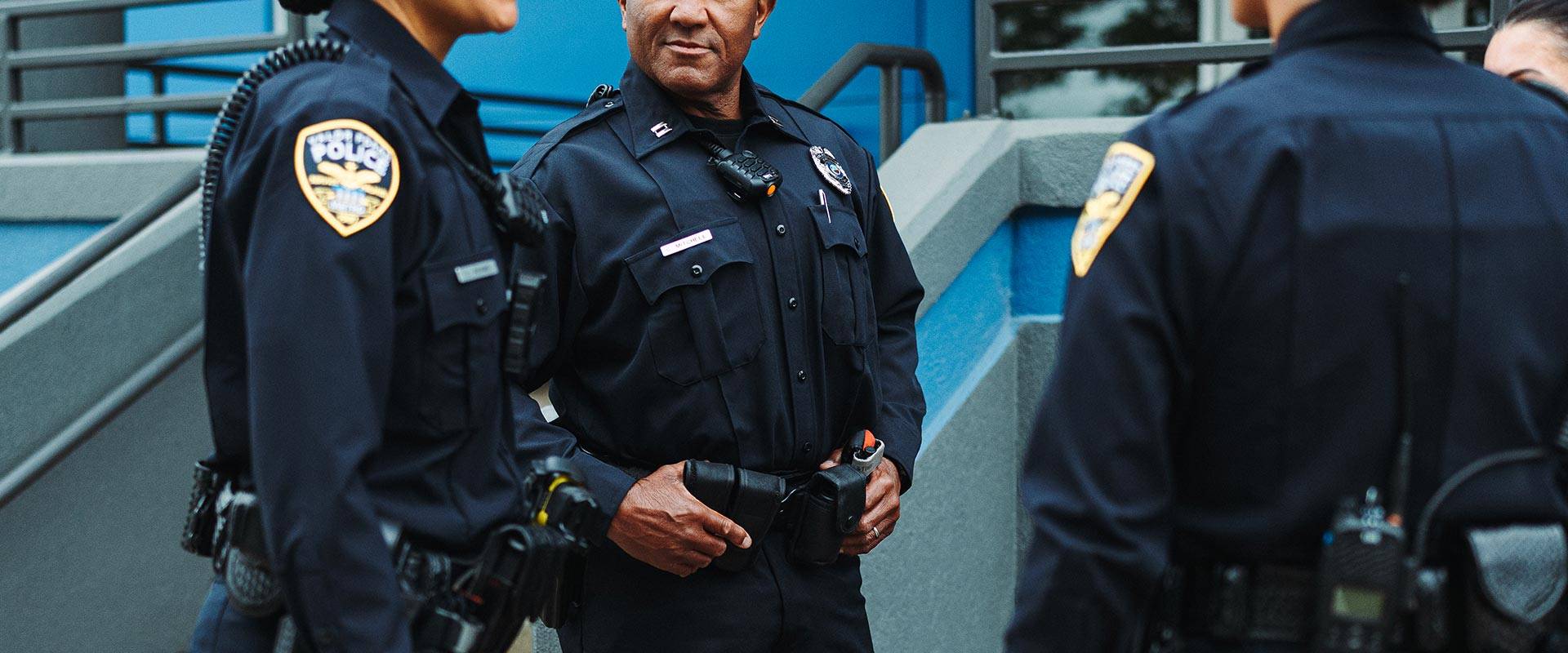
For over 50 years, Galls has been the trusted source for uniforms, tactical gear, and essential equipment for America’s public safety professionals. From law enforcement to firefighters, EMS, military, and security personnel, we support those who protect and serve with high-quality, reliable products.
As a leading tactical gear supplier, we offer an extensive range of in-stock uniforms and equipment that ship quickly—often the same or next day. Need custom apparel for your team? Our convenient in-house customization services provide tailored uniforms to meet your organization’s specific needs.
Shop our site to find everything from professional clothing and duty gear to body armor, outerwear, and communication equipment. Whether you’re in law enforcement, emergency response, corrections, or fire safety, Galls stands out as the trusted supplier of the gear you need to stay prepared and protected. Join over a million public safety professionals who choose Galls every year for their uniform and gear needs. Explore our selection and experience a fast, easy ordering process designed for those who serve.
 Item Added to Cart!